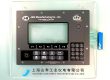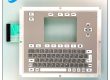
Membrane switch components are the most popular components in modern product design, providing a complex and visually appealing user interface that is both intuitive and functional. But some products are intended for use in harsh or less ideal environments, rather than typical electronic applications, which will lead to further design considerations. Let me take a look at the demanding application of membrane switch technology.
Some membrane switching technologies provide limited protection
Membrane switches are composed of a series of layers, each with a different purpose. The layer is the top layer of a typical membrane switch component, although it provides some protection for the bottom layer, there are still problems under certain conditions. Similarly, pressure sensitive adhesive adheres to the underlying layer, depending on the specific adhesive used, which can provide limited sealing performance for the underlying layer, but cannot provide sufficient protection for truly harsh working environments.
For example, a graphic overlay layer and the pressure sensitive adhesive underneath it protect the underlying layer to some extent by preventing droplets or dust from entering key switch components that are more sensitive to exposure. However, this configuration can cause problems in certain situations, such as when the device is submerged in liquid because the graphics cover the edges without protection.
Elements and conditions of membrane switching technology concern
There are several elements and environmental conditions that may cause potential problems with membrane switches.
WeChat764443269d66df9180866375143a3935.png
Technology, including:
·Contact with liquid can be through spray, liquid drop or immersion.
·Dust and debris are usually a problem with outdoor equipment
·Corrosive solutions, such as certain cleaning solutions or chemicals
·Extreme humidity
·Extreme temperatures, whether hot or cold
·High-altitude atmospheric pressure
These elements and conditions may temporarily damage the functionality of the device or product, and correcting these conditions may solve functional problems in some cases, but not all. After repeated or long-term exposure to these elements or climatic conditions, the damage to the membrane switch may be too great to recover.
Due to this reason, the optimal design of membrane switching technology, typical usage conditions, and the most common potential harsh conditions may actually expose a device. For example, even the most cautious user may spill beverages on the device, so membrane switching technology can withstand at least occasional or minimal harm, making it ideal for most typical applications.
Research on common faults of membrane switches under harsh conditions
If your product is not suitable for a typical application where it will be exposed to harsh conditions, then typical membrane switching technology may be sufficient to meet your application requirements. There is a small opportunity for any product to be exposed to harmful conditions due to unexpected declines and other situations. (Think about how many people you know have dropped a mobile device in a lake, sea, river, or even a toilet, or in the example above, a user accidentally spilled a drink on a device.)
Due to accidental exposure to harsh environments, membrane switching technology may result inChoosing appropriate materials is the key to the design of membrane switch technology
Most of the process of designing membrane switch technology in harsh environments involves selecting appropriate materials and components to provide necessary protection to ensure the integrity of each component within the membrane switch assembly.
The key considerations are selecting durable materials for graphic coverage and selecting pressure sensitive adhesives that can withstand potential pollutants and other factors that may affect performance. A special adhesive sealing process can also be used to manufacture an impermeable adhesive that is not affected by the harsh environment that usually leads to equipment failure.
There are a range of options when it comes to durable materials and components that can stand in harsh, abusive, or rugged environments. For some applications, silicone rubber keyboards provide sufficient sealing to protect fragile foundation components from potential liquid damage, such as spills or outdoor use in rain or snow. In addition, some membrane switching technologies provide exceptional water resistance, even meeting the specifications of NEMA 4 and IP 67.
Special considerations for membrane switch technology in medical devices
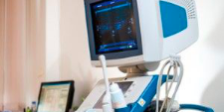
In the medical industry, devices are ubiquitous – many of which rely on membrane switch technology to provide critical care for patients. When it comes to medical equipment and other products, malfunctions are unacceptable, and in hospitals, clinics, and other medical institutions, strict cleaning agents are often used to thoroughly disinfect the equipment to avoid the spread of bacteria.
Fortunately, some membrane switch technologies meet this need by utilizing a textured polyester graphic overlay component that can be combined with antibacterial products to aid hygiene, while also providing a durable overlay that can be repeatedly and frequently exposed to harsh cleaning solutions. These specially designed graphic covers are not only durable, but also antibacterial products help prevent mold, bacteria, and mold growth, leading to typical graphic cover degradation and odor and stains.
In less ideal environments and applications, the demand for membrane switching technology is not uncommon. Decades ago, electronic devices would never have had the opportunity, and modern membrane switch technology has adapted to provide robust and durable equipment, even under the most severe operating conditions. Communicating the typical and potential hazards that your product may face will help your membrane switch engineering team recommend the best and most durable components and materials to ensure the lasting success of your product.